These are the most important results of the diagnostic questionnaire, done by Hannah Hilbert and Eva Deramoudt in the Belgian partner school, Athena Oostende.
1. They asked the teachers if they were familiar with some of the terms about LGBTQ+.
2. They asked the same question to the students, aged 14 - 15,
3. And also to the students aged 16 - 18.
4. The last question was whether the students have ever experienced discrimination based on sexual orientation or gender identity.
LGBT rights in Germany Presentation by Nati, Jan, Stefanija, Hannah, Mario and Anja.
Introducing you to the subject
- Germany has frequently been seen
as one of the most gay-friendly
countries in the world
- A large majority of Germans
support same sex marriage.
- Another poll in 2013 indicated that
87% of Germans believed that
homosexuality should be accepted
by society, which was the second
highest score in the world following
Spain (88%).
- The former mayor of of Berlin is one
of the most famous open Gay people
in Germany next to the mayor of
Hamburg.
Paragraph 175, made homosexual acts between males a crime,
and in early revisions the provision also criminalized bestiality
as well as forms of prostitution and underage sexual abuse. All
in all, around 140,000 men were convicted under the law.
The law history
Same sexual activity between men was made illegal under paragraph 175 by the German empire in 1871, nazi Germany extended these law as during world war 2.
The extension was was repealed in the 50s and decriminalized in 1968 in both East and West Germany.
During the 1920s and 1930s, gay and lesbian people in Berlin were generally tolerated by the society and many bars and clubs specifically for gay men were open.
East Germany East Germany inherited Paragraph 175. Communist gay activist Rudolf Klimmer, campaigned in 1954 to have the law repealed, but was unsuccessful. His work prevented any further convictions for homosexuality after 1957
In the five years following the Uprising of 1953 in East Germany, the GDR
Government instituted a program of "moral reform" to build a solid
foundation for the new socialist republic, in which masculinity and the
traditional family were championed, while homosexuality, seen to
contravene "healthy mores of the working people"
Then later on in 1968 homosexuality was decriminalized.
On the 11 August of 1987, the East German government opened a state owned
gay disco in Berlin.
It was claimed that the gay community was far more united in East Germany
then West.
West Germany
West Germany inherited Paragraph 175, which remained on the books until
1969, as opposed to East Germany, the churches influence in West Germany
was very strong.
The German Christian Democratic Union, the dominant political force in
post-war West Germany, tended to ignore or oppose most gay rights issues.
At the national level, advancements in gay rights did not begin to happen until
the end of the Cold War and the electoral success of the Social Democratic
Party.
In 1990, the law was changed so that homosexuality and bisexuality were no
longer grounds for being discriminated against in the military.
In 1986, the popular soap opera Lindenstraße showed the first gay kiss on
German TV.
Summary table
Same-sex sexual activity is legal nationwide since 1968.
Equal age of consent since 1994.
Anti discrimination laws in employment since 2006.
Same sex marriage since 2017.
Recognition of same sex couples since 2001.
Stepchild adoption by same-sex couples since 2005.
Joint adoption by same-sex couples since 2017.
LGBT people allowed to openly serve in the military since 2000.
Right to change legal gender since 1980 (surgeries), and since 2011 sterilization is not required.
HERE WE ARE! OUR FIRST EXCHANGE OF STUDENTS TOOK PLACE IN MÁLAGA.
After being working on LGTB legal framework, we met in Málaga to share experiences and learn more about the way to get more respectful schools and societies.
This was our plan
However, pictures speak louder than words, and here is a brief summary of the week in this beautiful video done by the English teacher Ana Concejero
As we can read on the program, we started talking about the current situation concerning LGTB rights or phobia in our schools. The results of the different countries were rather similar, except for Romania, as we were told that being LGTB was a kind of taboo. In this sense, we want to thank this country for taking part in this project as they set an examle for other schools.
We would also like to thank the lawyer Charo Alises who is always willing to help. She had visited us before and on this occasion she was was accompanied by a member of the Erasmus Student Network who translated her lecture about hate crimes
Then we continuedwith a LGTB Tour through the city. Erasmus Students Network and Apoyo Positivo
were in charge of it. They introduced the city to our partners, its
past and its present, talking about LGTB personalities from Málaga or
places. So it contributed to make more visible LGTB community and how
they have contributed to create more spaces of freedom in the town.
Jorge Suáres Muñoz from the Erasmus Student Network
Apoyo Positivo
We would ike to mention an interesting anecdote that speaks about how much stereotypes are spread, even if we want to fight against them:
After the tour we were handing out among the people we met some badges with the logo of the project to let them know what we were working on. We saw, then, a young man wearing dreadlocks, so we adress to him, but he refused to takeone of our badges, because he said "he disagrees with homosexuality". On the opposite, a middle aged woman came to meet us and congratulated us for the project, that she considered quite necessary, specially because her daughter was trans. This situation made us think that, although one of the aims of this project is to fight against stereotypes, we ourselves aren't safe from them, as we had just thought that a young boy was going to be more open minded just beacuse of this age and of the dreadlocks.
End of the Tour
Other important moment of this exchange was the presentations about LGTB rights, historical personalities and the results of the diagnosis in each school. It was quite interesting as we could compare the situations of the different countries and enrich our knowledge. Students had been workin on this topic for a couple of months and they did it quite well.
Thanks to our students' research and the presentations they ellaborated, we could also learn more about LGTB rights and personalities in different countries:
On the occasion of our first short-term exchange of pupils celebrated in Spain, our students have prepared this timeline in order to explain our guest students and teachers how Spain has evolved concerning LGTB rights.
Evelyn Martínez, Amaral Macas and Laura Gómez have prepared this timeline that can be downloaded if needed.
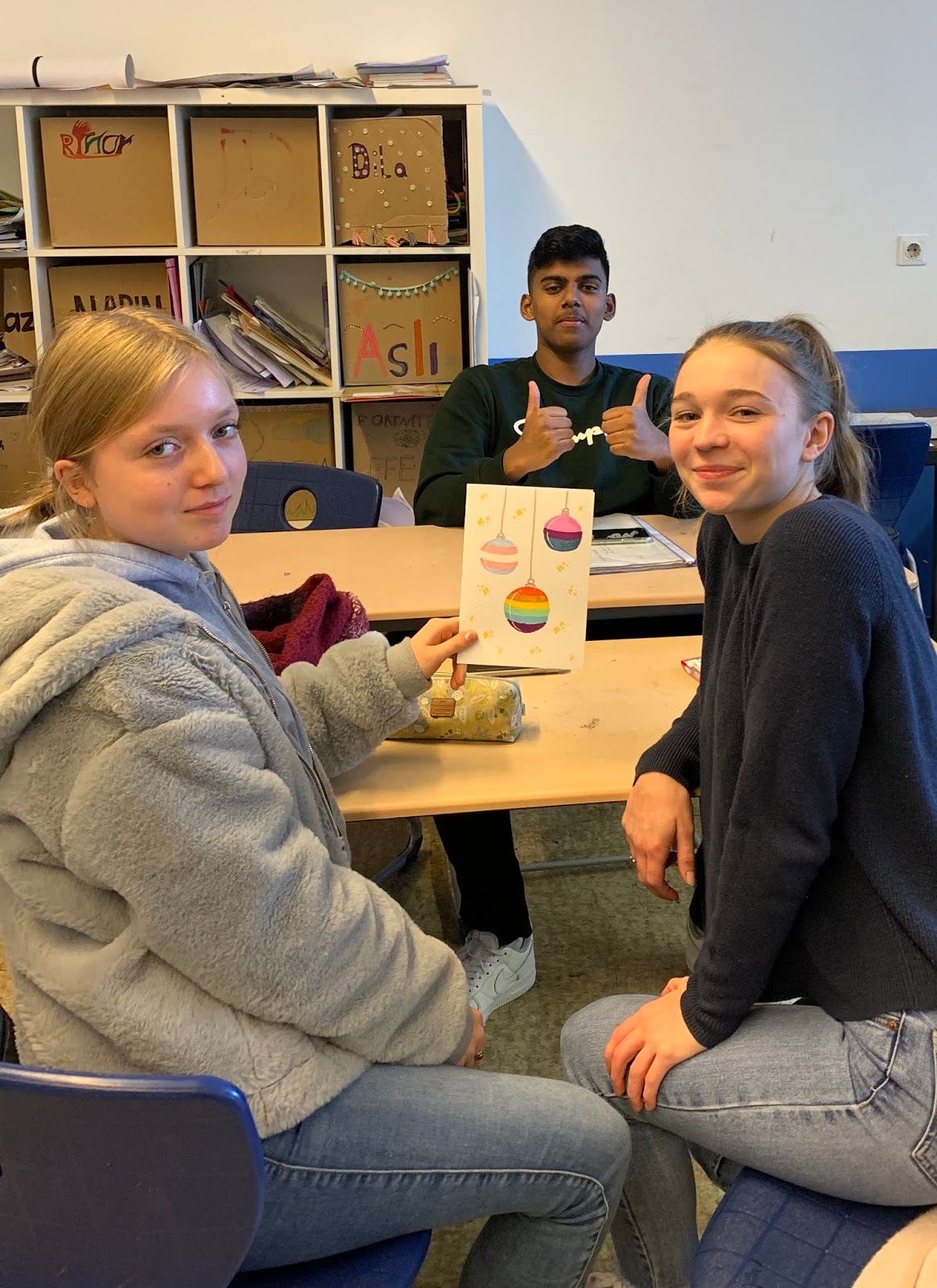
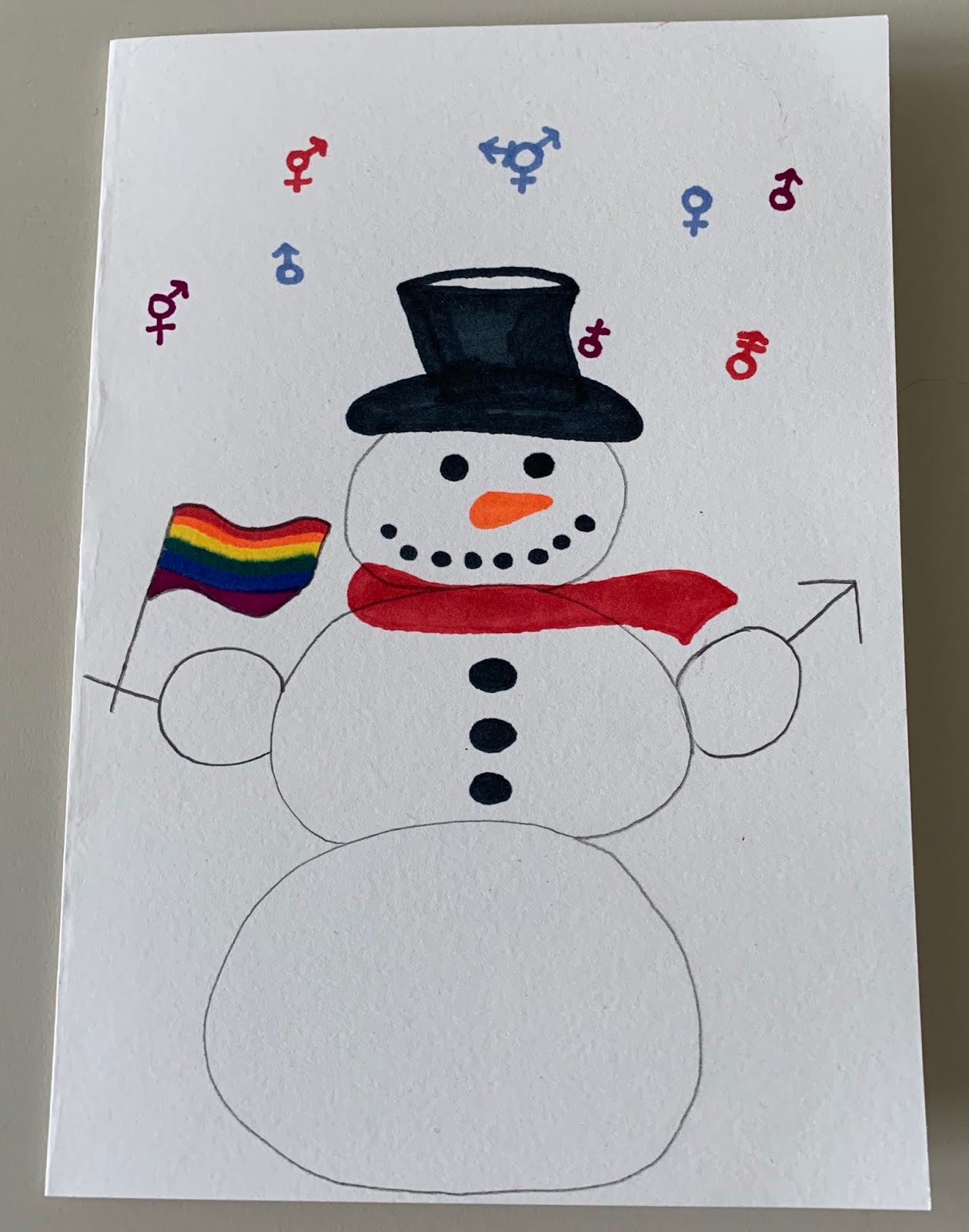
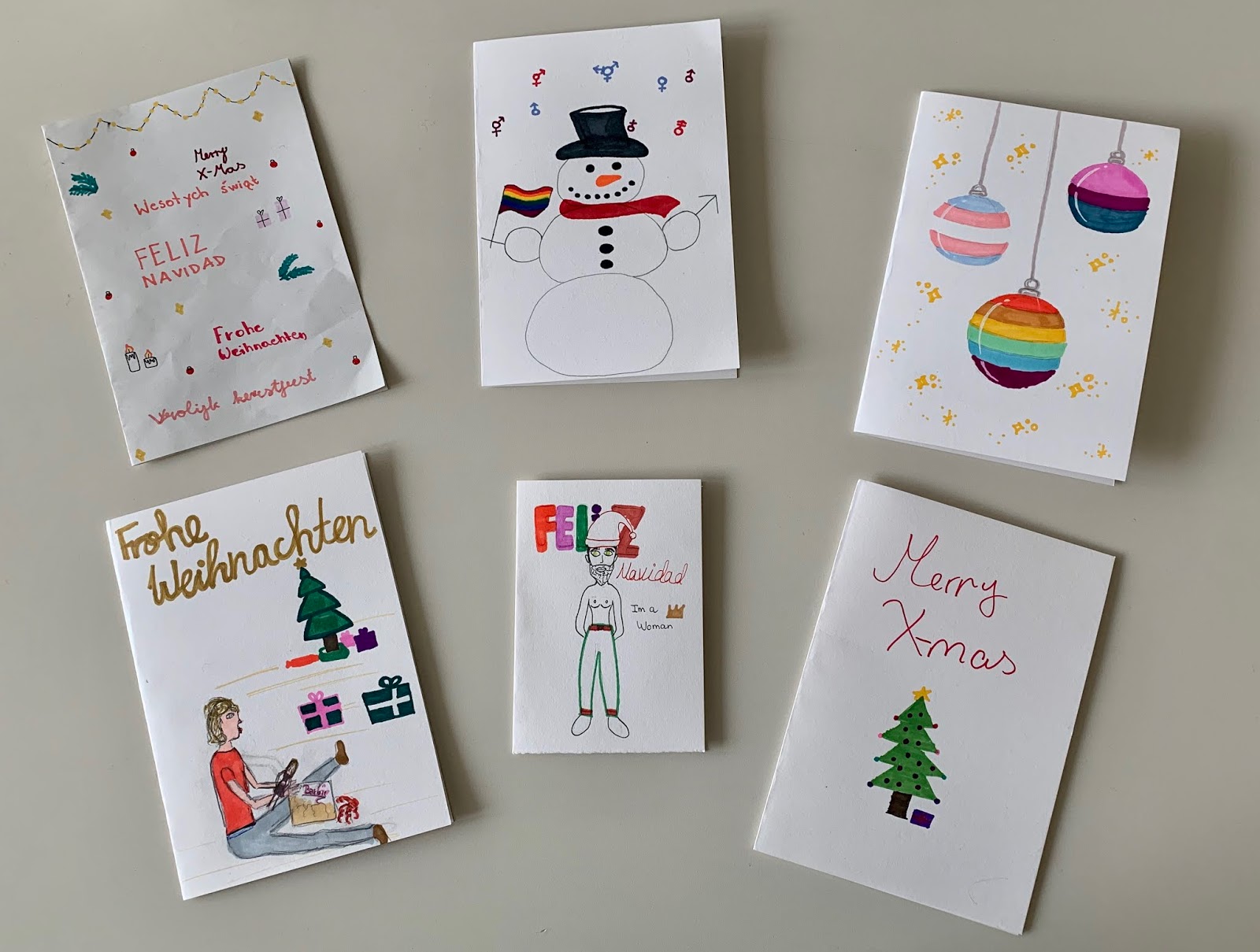
Christmas were coming and we decided to wish our school community a very merry Christmas whereas making visible our project. This greeting card was selected among several designs done by our students. It represents our best wishes of tollerance for the whole world.
Here it is the card done by Belén Herrera, Miguel Muñoz, Noemí Alvárez and Noe Recio from the second year of Baccalaureate.
And the message inside:
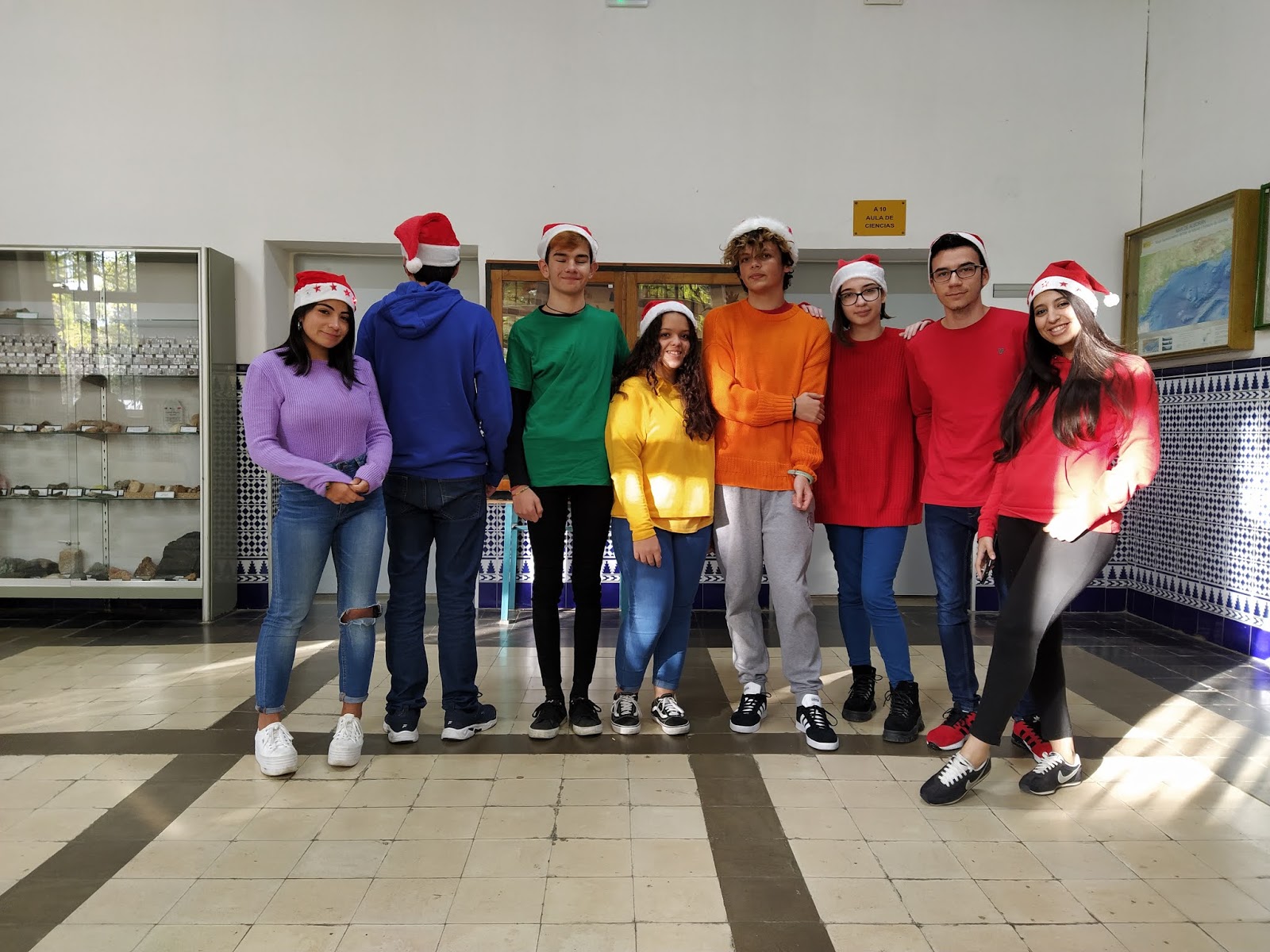
But still we wanted to make our project more visible. So the card was posted on Instagram and handed out by a human pride flag!
Seven students, each of them wearing a different colour sweatshirt, composed the pride blag. They went through the halls of the different pavilions of the school visiting the staff room, the different classes, cleaners, administrative staff ...handing out this Christmas cards and we have to point that we were very welcome.